Vanilla in Cookies: Why This Tiny Ingredient Matters
Do cookies really need vanilla? 🍪
Yes — and here’s why.
When we bake cookies, most of us think about flour, butter, and sugar first. But that small spoon of vanilla is the quiet hero. Without it, cookies often taste plain and a little empty.
Adding vanilla in cookies makes the sweetness balanced, gives a warm smell while baking, and helps all the flavors come together. After working in the baking industry for 17 years, I can tell you — whenever we forgot vanilla in test batches, the difference was easy to notice. Cookies with vanilla always tasted fuller and more enjoyable.
In this post, we’ll look at why we add vanilla to cookies, what happens if you skip it, the science behind its role, and the best substitutes you can use at home. 🌿
🌼 Why Do We Add Vanilla to Cookies?
Many bakers wonder: “Why add vanilla to cookies if the flavor is so subtle?” The truth is → vanilla plays a powerful role in how cookies taste and smell ✅.
🍪 Vanilla as a Flavor Balancer
Vanilla doesn’t just make cookies “taste like vanilla.” Instead, it:
- Enhances sweetness – making sugar taste rounder and less sharp.
- Balances flavors – smoothing out strong notes from butter, chocolate, or spices.
- Masks bitterness – softening any harsh flavors from baking soda or flour.
That’s why skipping vanilla often leaves cookies tasting a little flat or one-dimensional. Even a small amount creates a more pleasant, bakery-style flavor. Without vanilla, cookies can taste flat, just like when bakers forget salt — ever wondered why we add salt to cookies?
📜 A Quick History of Vanilla in Baking
Vanilla has been prized for centuries. First cultivated by the Totonac people of Mexico, it became a staple in European desserts by the 16th century. Since then, bakers around the world have relied on vanilla extract to add depth, aroma, and a “signal” that tells your brain this is a dessert.
🏭 Vanilla in the Baking Industry (Pro Insight)
From my 17 years of baking industry experience, vanilla is essential not just for taste but also for aroma balance:
- When we mix flour, sugar, and shortening, they produce a raw smell. Vanilla is added to neutralize and balance that aroma.
- Once balanced, other flavors like butter, milk, peanut, or almond come through more clearly and taste more pronounced.
- In professional bakeries, choosing the right type of vanilla (extract, essence, or paste) is as important as selecting flour or sugar — because it defines the overall cookie profile.
💡 Personal Story:
I will never forget the day a large test batch of sugar cookies left our production line without vanilla. At first glance, they looked perfect with golden edges, crisp bottoms, and soft centers. But when our tasting panel tried them, everyone agreed something was off. The cookies tasted flat, almost hollow, like they were missing their “soul.” That’s when I realized how much vanilla quietly transforms cookies from good to unforgettable.
👉 In short: the role of vanilla in cookies is to elevate every other flavor. Without it, cookies can taste dull. With it, they shine ✨.
What Does Vanilla Do in Cookies? (The Baking Science)
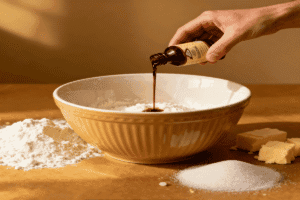
Vanilla is more than just a “nice smell.” It has a real scientific role in cookies. Here’s how it works step by step:
🍃 The Chemistry of Vanillin
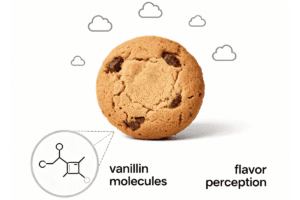
The star compound in vanilla is vanillin. This tiny molecule is powerful—it’s what gives vanilla its signature aroma. Even in small amounts, vanillin can change how your brain interprets flavor, making cookies taste sweeter and more inviting.
👃 Smell = Flavor
Most of what we call “taste” is actually smell. When you bite into a cookie, the vanilla aroma travels through your nose. This tricks your senses into thinking the cookie is richer and more flavorful. Without vanilla, cookies often feel bland, flat, or like something is missing.
🥛 How Vanilla Works With Other Ingredients
Vanilla doesn’t work alone—it teams up with fats, sugar, and flour:
- Fats (butter or shortening) carry the vanilla aroma.
- Sugar tastes smoother and less sharp.
- Flour loses its raw edge, making flavors rounder.
✨ Pro Insight (Industry Use): In bakeries, vanilla is used to balance the aroma of flour, sugar, and shortening. Once vanilla smooths things out, added flavors like butter, milk, or nut extracts (almond, peanut) become more noticeable and stronger.
🍪 Vanilla in Cookies – Interactive Guide
Which Vanilla is Best for Your Cookie?
Vanilla Substitutes Calculator
Vanilla Comparison
FAQs
Why do you put vanilla in cookies?
Vanilla enhances sweetness, balances flavors, and masks flour or eggy notes.
What happens if you skip vanilla?
Cookies taste flat, bland, and like they’re “missing something.”
Is extract better than essence?
Yes — extract has real vanillin compounds; essence is artificial and weaker.
Can I substitute vanilla extract?
Yes — try almond extract, maple syrup, or vanilla sugar (see chart above).
What’s the best vanilla for chocolate chip cookies?
Pure extract or paste — they bring out the chocolate notes beautifully.
❓ Do Cookies Really Need Vanilla? (What Happens if You Skip It)
Many home bakers ask: “Do cookies really need vanilla?” The simple answer is → yes, if you want them to taste complete ✅.
Without vanilla, cookies often taste:
- Flat – the sweetness feels one-note.
- Bland – missing the warm, aromatic depth.
- “Off” – as though something essential is missing.
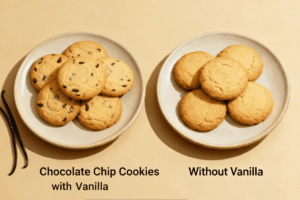
🍪 Blind Taste Test: With vs. Without Vanilla
Professional bakers often do side-by-side comparisons. Here’s what happens:
- With vanilla → the aroma is richer, the sweetness balanced, and the cookie tastes “bakery-style.”
- Without vanilla → the cookie still bakes fine, but tasters describe it as plain, floury, or unfinished.
Even just ½ teaspoon of vanilla extract can transform the overall profile of a chocolate chip or sugar cookie.
🛠️ Troubleshooting Bland Cookies
If your cookies taste boring or “too sweet,” the missing link may be vanilla. To fix it:
- Add pure vanilla extract or vanilla bean paste next time.
- If you run out, try a substitute like almond extract or maple syrup — they won’t taste identical, but they’ll bring back depth.
- In professional bakeries, skipping vanilla isn’t an option, because it defines the flavor balance customers expect.
👉 So yes, cookies technically can be made without vanilla… but the result won’t deliver the full cookie experience.
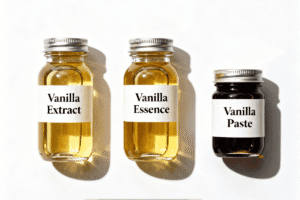
Vanilla Extract vs Vanilla Essence vs Vanilla Bean Paste
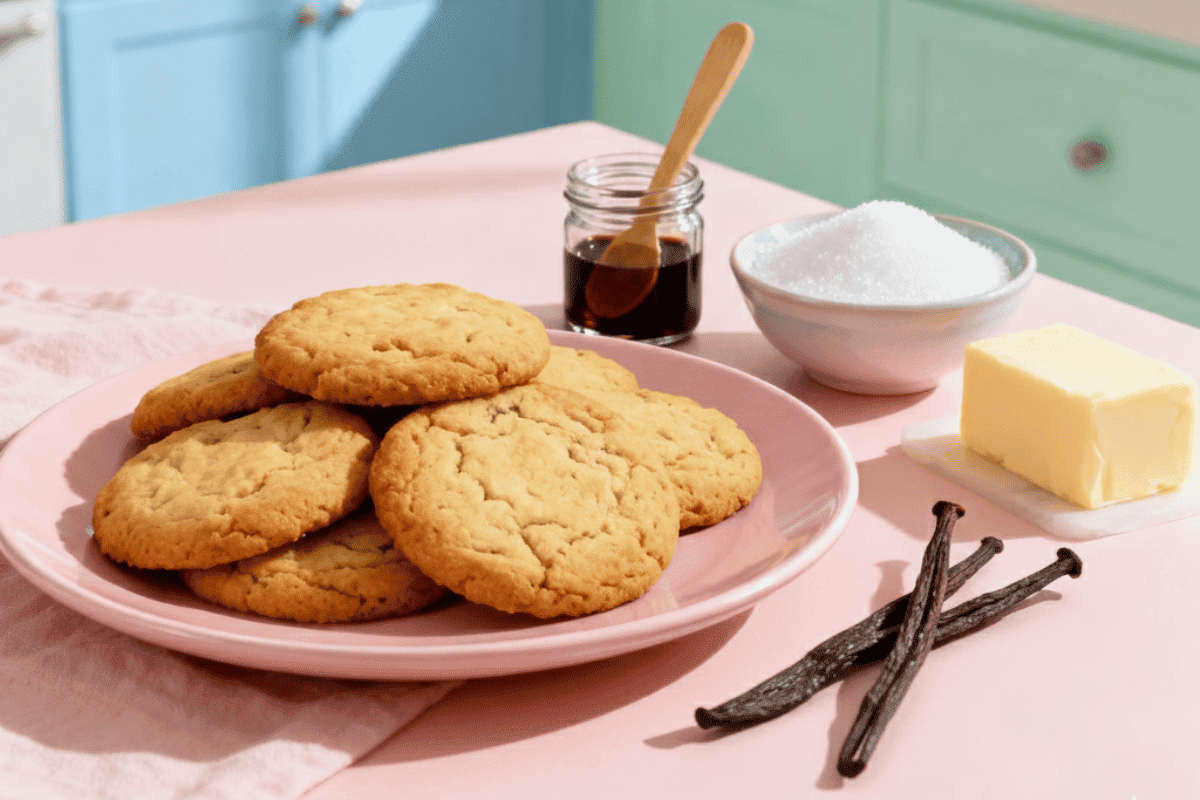
Not all “vanilla” is created equal. When you’re baking cookies, the type of vanilla you choose can make a big difference in flavor, aroma, and even cost. Let’s break it down:
🥄 Vanilla Extract
- Made by soaking real vanilla beans in alcohol.
- Natural, deep flavor with warm aroma.
- Best choice for home bakers who want authentic results.
💧 Vanilla Essence
- Usually artificial (lab-made vanillin).
- Lighter, simpler flavor compared to extract.
- Cheaper but doesn’t deliver the same depth.
🌱 Vanilla Bean Paste
- Thick paste made with real vanilla bean specks.
- Intense flavor + beautiful speckles in cookies.
- More expensive, often used for premium desserts.
The choice of vanilla can change the final taste dramatically, the same way baking mistakes explain why cookies burn on the bottom.
✨ Industry Perspective: In large-scale baking, we often use ethyl vanillin because it’s much stronger in aroma—a little goes a long way. Personally, I use vanillin from Borregard, which delivers consistent results without overpowering other flavors.
📊 Quick Comparison for Cookies
| Type | Flavor Strength | Aroma Quality | Cost | Best For |
| Extract | Natural, balanced | Warm, rich | 💲💲 | Everyday home baking |
| Essence | Artificial, simple | Lighter | 💲 | Budget-friendly cookies |
| Bean Paste | Strong, premium | Intense, speckled | 💲💲💲 | Special bakes, show-stoppers |
| Ethyl Vanillin (Industry) | Extra strong | Very sharp | 💲 (small amounts) | Commercial batches |
👉 Which One Should You Choose?
- Everyday cookies → go with vanilla extract for the best balance of flavor and cost.
- Fancy cookies or holiday bakes → choose vanilla bean paste for that extra punch and pretty specks.
- On a budget → vanilla essence will work, but expect a lighter flavor.
- Commercial baking → ethyl vanillin is cost-effective and powerful.
According to the FDA’s standards of identity, real vanilla extract must contain a minimum of 35% alcohol and specific levels of vanilla bean solids — which is why it delivers deeper flavor than essence.
🌟 What’s the Best Vanilla for Cookies? (Pro Baker’s Guide)
When it comes to baking, not all vanillas are equal. If you’ve ever wondered “what’s the best vanilla for cookies?” The answer depends on your recipe, budget, and taste preferences. Here’s how I choose:
🥄 Vanilla Extract (Everyday Favorite)
- Best for: Chocolate chip, oatmeal, peanut butter cookies.
- Why: Affordable, natural, and balanced — it enhances chocolate, butter, and spices without overpowering them.
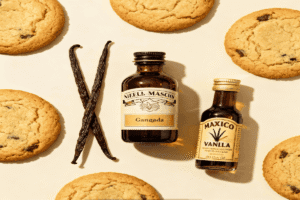
- Recommended Brand: Nielsen-Massey Madagascar Bourbon → smooth, warm, classic cookie flavor.
🌱 Vanilla Bean Paste (Special Touch)
- Best for: Sugar cookies, shortbread, butter cookies where vanilla is the star.
- Why: Intense flavor + real bean specks give cookies a gourmet look and taste.
- Recommended Brand: Heilala or Nielsen-Massey paste.
🌍 Vanilla Beans (Luxury Option)
- Best for: Holiday bakes, wedding cookies, premium desserts.
- Why: Whole beans (Madagascar, Tahitian, or Mexican) deliver unmatched aroma and depth.
- Tip: Split, scrape, and infuse beans into your butter or sugar before baking for maximum flavor.
If you want bakery-style results, vanilla matters just as much as choosing the right flour for cookies.
🏭 Pro Baker Insight
From my 17 years in the baking industry, I can tell you — for commercial baking, we rarely use whole beans because of cost. Instead, we rely on ethyl vanillin or high-strength extracts for consistency in large batches. But at home? Splurging on a good extract or paste really does take cookies from “good” to “wow.”
👉 Quick Takeaway:
- For everyday cookies → stick with pure vanilla extract.
- For special bakes → upgrade to vanilla bean paste or real beans.
- For bulk/industry → ethyl vanillin or strong extracts are the practical choice.
🔄 Substitutes for Vanilla in Cookies (With Ratios)
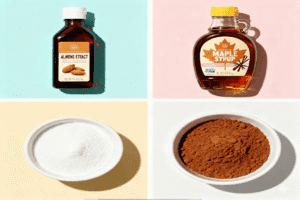
Run out of vanilla mid-bake? Don’t worry — you can still make delicious cookies. Vanilla is important, but it’s not irreplaceable. Here are the best substitutes for vanilla in cookies, along with ratios and flavor notes:
🥜 Almond Extract
- Ratio: Use ½ teaspoon almond extract for every 1 teaspoon vanilla.
- Flavor: Stronger, slightly nutty, works beautifully in chocolate chip and oatmeal cookies.
- Tip: A little goes a long way — too much can taste bitter.
🍁 Maple Syrup (Pure, Not Pancake Syrup)
- Ratio: Use 1 teaspoon maple syrup for every 1 teaspoon vanilla.
- Flavor: Warm, earthy sweetness. Great in sugar cookies or holiday bakes.
- Pro Insight: Maple syrup adds liquid → if your recipe is delicate, reduce sugar slightly.
🍬 Vanilla Sugar
- Ratio: Replace 1 teaspoon vanilla with 1–2 teaspoons vanilla sugar.
- Flavor: Light vanilla aroma with added sweetness.
- Best For: Shortbread, butter cookies, simple doughs.
🌱 Vanilla Bean Paste or Powder
- Ratio: 1:1 for paste (same as extract). Powder is stronger, so use ½ teaspoon powder for 1 teaspoon extract.
- Flavor: Closest substitute to real extract. Paste gives specks → powder blends smoothly.
- Pro Baker’s Note: In industry, we often prefer powdered vanilla because it’s shelf-stable and blends evenly.
🌸 Alcohol-Free Vanilla Alternatives
- Options: Glycerin-based vanilla extract (common in halal/kosher baking).
- Ratio: Same as regular extract (1:1).
- Flavor: Softer and slightly sweeter, perfect if avoiding alcohol.
📊 Quick Vanilla Substitute Chart
| Substitute | Ratio (per 1 tsp vanilla) | Flavor Result | Best For |
| Almond Extract | ½ tsp | Strong, nutty | Chocolate chip, oatmeal |
| Maple Syrup | 1 tsp | Warm, earthy | Sugar cookies, holiday |
| Vanilla Sugar | 1–2 tsp | Sweet, mild | Shortbread, butter |
| Vanilla Paste | 1 tsp | Rich, specked | Premium/gourmet cookies |
| Vanilla Powder | ½ tsp | Strong, clean | Industry + home |
| Alcohol-Free Vanilla | 1 tsp | Mild, sweet | Allergy/faith-friendly |
👉 Key Takeaway: If you don’t have vanilla, choose a substitute that matches your cookie style. Almond for boldness, maple for warmth, paste for authenticity, and vanilla sugar for simplicity. Some substitutes may alter texture slightly, similar to how hydration affects sticky cookie dough.
✅ Conclusion & Pro Tips
At first glance, vanilla in cookies might seem like a small detail — but it makes a big difference. Vanilla doesn’t just add its own flavor; it enhances sweetness, balances other ingredients, and gives cookies that “complete” taste we all expect.
👉 Pro tip: do a side-by-side bake test — make one batch with real vanilla extract and another with cheap essence. You’ll instantly notice how the extract creates a deeper, rounder flavor, while essence often feels flat.
From my 17 years in the baking industry, I can say with confidence: the difference between real vanilla and a substitute is night and day. That’s why professionals (and serious home bakers) always keep quality vanilla in their pantry almost as essential as knowing why cookies spread in the oven..
✨ Next time you’re baking, don’t skip the vanilla. Try extract, paste, or even bean — and discover how this tiny ingredient can turn ordinary cookies into something unforgettable.
👉 Now it’s your turn: What type of vanilla do you usually use in cookies — extract, paste, or essence? Share your go-to in the comments below!