What Does Brown Sugar Do in Cookies? (Baking Science Explained)

Have you ever baked cookies with brown sugar, taken that first bite, and noticed how soft and chewy they turn out? 🤔 You might wonder: what does brown sugar actually do in cookies? This is a common baking question every beginner faces—I certainly did when I started baking over 17 years ago.
✅ The truth is, brown sugar plays a key role in cookie baking. It doesn’t just make cookies softer and chewier; it also:
- Enhances caramelization for a deeper flavor 🔥
- Adds a warm golden-brown color 🎨
- Boosts the moisture content for longer-lasting freshness 🕒
In this guide, we’ll explore everything you need to know about using brown sugar in cookies—from how it shapes texture, taste, and color to whether you should choose light brown sugar or dark brown sugar. We’ll also compare brown sugar vs. white sugar so you’ll know exactly which one to use in your favorite cookie recipes. 🎯
Sugar isn’t just about sweetness — it completely changes how cookies turn out. Check out our full guide on cookie ingredients to see how each one impacts your bake.
🍯 What Is Brown Sugar in Baking?
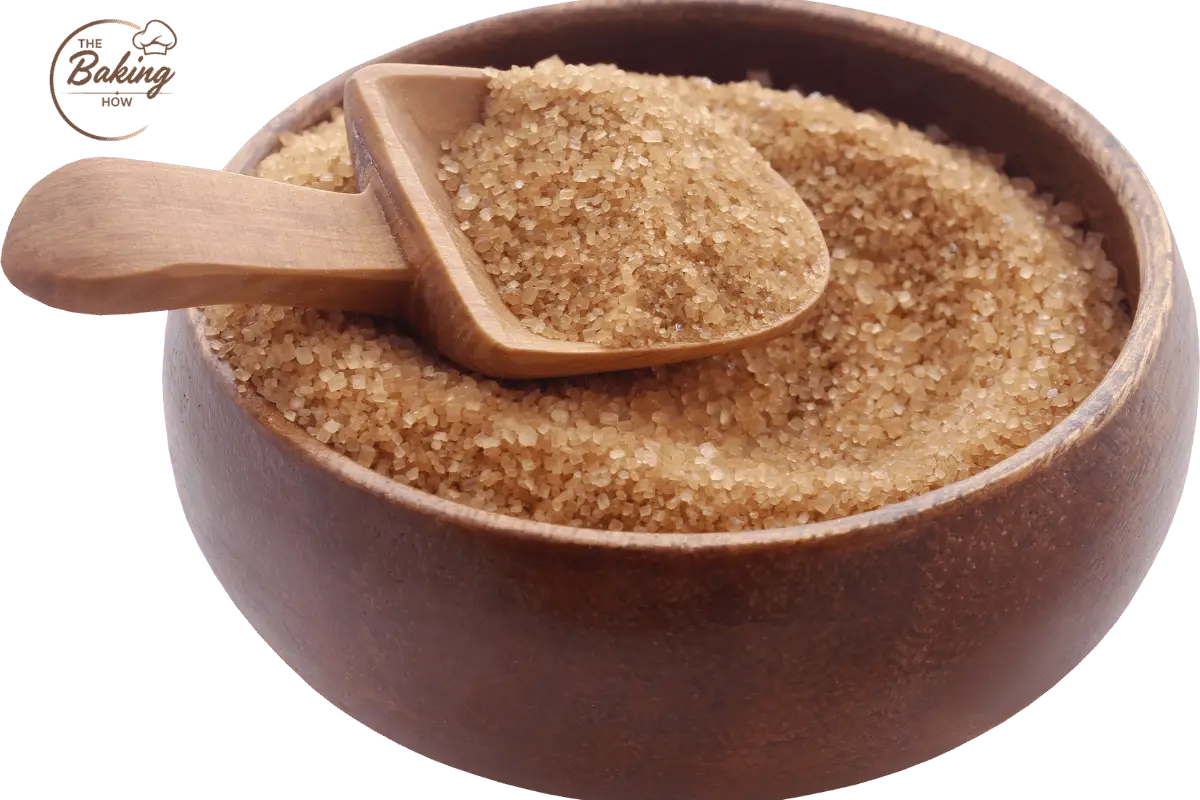
Brown sugar is simply white sugar mixed with molasses. That added molasses changes both the flavor and texture of your cookies. Depending on the amount of molasses, you’ll find two common types:
- Light Brown Sugar 🌟 → Contains less molasses (about 3.5%). It gives cookies a mild caramel flavor and a slightly chewy texture.
- Dark Brown Sugar 🍫 → Contains more molasses (about 6.5%). It creates cookies that are richer in flavor, darker in color, and extra moist.
According to King Arthur Baking, both light and dark brown sugars are interchangeable in most recipes, but each offers unique flavor notes.
Brown Sugar vs White Sugar in Cookies ⚖️
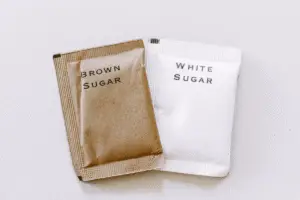
✅ While white sugar (granulated sugar) makes cookies crispier and lighter in color, brown sugar makes them softer, chewier, and more flavorful.
Think of it this way:
- Brown sugar = Soft, chewy, rich flavor 🍪
- White sugar = Crisp, light, subtle sweetness ✨
👉 Many bakers even use a mix of both sugars to balance crisp edges with a chewy center—giving the best of both worlds.
Brown sugar makes cookies moist and chewy, which is why you’ll often notice issues like cookies turning too soft if ratios are off.
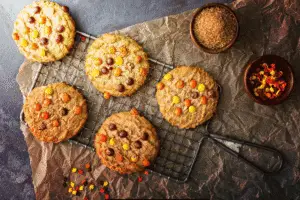
🍪 How Brown Sugar Affects Cookie Texture
Brown sugar is the secret to making cookies that are soft, thick, and chewy. Unlike white sugar, it naturally contains moisture from molasses, which plays a big role in cookie structure.
Why Brown Sugar Changes Texture 🧑🍳
- Moisture Retention (Hygroscopic Nature) 💧 → Brown sugar attracts and holds water molecules, keeping your cookies soft and chewy even after baking.
- Caramelization & Molasses 🍯 → When heated, brown sugar caramelizes and the molasses enhances flavor, creating a rich, chewy bite that white sugar alone cannot achieve.
- Controlled Spreading 🔥 → The extra moisture means butter doesn’t coat the sugar crystals as evenly. This reduces cookie spread in the oven, giving you thicker, bakery-style cookies with the perfect shape.
👉 In short: Brown sugar = soft, thick, chewy cookies, while white sugar = crisp, thin cookies.
Since brown sugar has higher moisture, it can also affect spread (learn why cookies spread too much here).
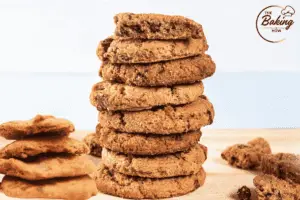
🌟 How Brown Sugar Changes Cookie Flavor
Brown sugar doesn’t just affect texture—it also plays a crucial role in flavor development. Thanks to its molasses content, it adds a rich, warm, and slightly caramel-like taste that plain white sugar can’t provide.
Flavor Benefits of Brown Sugar 🍯
- Molasses Depth 🌰 → Creates a warm, earthy sweetness with hints of caramel and toffee.
- Balanced with Other Ingredients 🥄 → Works beautifully with honey, invert syrup, and cocoa powder, creating a layered and balanced flavor profile.
- Boosts Chocolate & Spices 🍫✨ → Especially shines in chocolate chip cookies, ginger cookies, and spice cookies, where it intensifies cocoa and spice notes while adding extra richness.
Pro Tip 🧑🍳
In commercial baking, a portion of brown sugar is always included in chocolate chip cookie recipes because it enhances the chocolate flavor and provides a signature bakery-style taste.
👉 Bottom line: Brown sugar = warmth, depth, and flavor balance, making cookies taste more indulgent and satisfying.
🎨 Brown Sugar and Cookie Color
Brown sugar doesn’t just change texture and flavor—it also strongly influences cookie color.
How It Works 🌟
- Caramelization Effect 🍮 → When heated, brown sugar undergoes caramelization faster than white sugar, giving cookies a rich golden-brown hue.
- Natural Pigments 🌰 → Since it already contains molasses, brown sugar starts off darker, which enhances the final baked color.
- Long-Lasting Color ⏳ → Cookies made with brown sugar retain their appealing brown shade longer compared to those made with only white sugar.
Industry Insight 🏭
In large-scale baking, one common challenge is color fading after packaging due to water activity and chemical reactions. To solve this, commercial bakers often add invert syrup or glucose powder to stabilize cookie color.
👉 For home bakers, simply using brown sugar is an easy way to achieve and maintain that classic golden-brown cookie appearance.
⚖️ Brown Sugar vs. White Sugar in Cookies
When baking cookies, the choice between brown sugar and granulated (white) sugar makes a noticeable difference in texture, flavor, spread, and color.
Key Differences 🍪
| Feature | 🍯 Brown Sugar | 🍚 White (Granulated) Sugar |
| Softness | Produces soft, moist cookies due to higher water retention. | Leads to crispier cookies with less moisture. |
| Chewiness | Adds a chewy, dense bite because of molasses. | Creates a lighter, crisper texture. |
| Crispiness | Less crisp—cookies remain tender. | More crisp—cookies turn out snappy and crunchy. |
| Spread | Cookies spread less → result in thicker shapes. | Cookies spread more → result in flatter, wider cookies. |
| Color & Flavor | Deep golden-brown color + rich, caramel-like flavor. | Pale golden color + neutral sweetness. |
While understanding brown sugar is key, the real magic happens when you see how it compares to its counterpart. For a side-by-side analysis, don’t miss my guide on brown sugar vs. white sugar in cookies.
Industry Insight 🏭
While brown sugar is popular in home baking, in large-scale cookie production it’s used sparingly because of:
- Handling & availability issues → harder to store and mix consistently.
- Higher cost 💰 compared to white sugar.
- Instead, industry commonly uses milled white sugar combined with invert syrup.
👉 This provides a uniform flavor, controlled sweetness, and stable color over longer storage periods.
Granulated sugar caramelizes differently and can even cause browning issues, such as cookies burning on the bottom.
🌗 Light vs. Dark Brown Sugar in Cookies
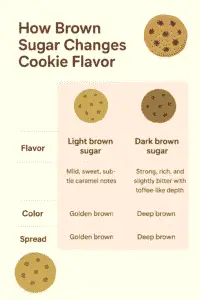
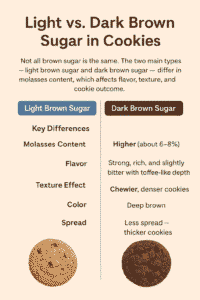
Not all brown sugar is the same. The two main types — light brown sugar and dark brown sugar — differ in molasses content, which affects flavor, texture, and cookie outcome.
🔍 Key Differences
| Feature | 🌤️ Light Brown Sugar | 🌑 Dark Brown Sugar |
| Molasses Content | Lower (about 3–4%) | Higher (about 6–8%) |
| Flavor | Mild, sweet, with subtle caramel notes | Strong, rich, and slightly bitter with toffee-like depth |
| Texture Effect | Softer, lighter cookies | Chewier, denser cookies |
| Color | Golden brown | Deep brown |
| Spread | More spread → slightly flatter cookies | Less spread → thicker cookies |
🥄 When to Use Each
- Light Brown Sugar → Best for classic chocolate chip cookies, oatmeal cookies, and peanut butter cookies. It gives a balanced sweetness without overpowering flavors.
- Dark Brown Sugar → Ideal for gingerbread, molasses cookies, and spice cookies where a deep, warm flavor is desired. It intensifies the cookie’s taste and color.
✅ Pro Baker Tip
In professional baking, many recipes use a blend of light and dark brown sugar to balance chewiness, depth of flavor, and color stability. For best results, measure your sugar with a kitchen scale — it ensures accuracy and consistency every time.
✅ Conclusion: The Power of Brown Sugar in Cookies
Brown sugar is more than just a sweetener — it’s the secret to chewy, moist, and flavorful cookies with a rich, golden-brown color. Whether you use light brown sugar for subtle caramel notes or dark brown sugar for deeper, toffee-like intensity, this ingredient truly transforms your bakes.
👉 Baking Tip: For home bakers, experiment with ratios! A 50/50 mix of brown and white sugar often delivers the perfect balance of chewiness, spread, and flavor depth.
✨ Takeaway: If you’ve ever wondered, “What Does Brown Sugar Do in Cookies?”, the answer is clear: it adds moisture, chewiness, deep flavor, and a signature golden color. Next time you bake, don’t just stick to white sugar. Try different ratios of brown sugar in cookies and see how it changes the texture, taste, and appearance. You might just discover your signature cookie recipe!
If you found this guide helpful, you’ll also enjoy our breakdown on how to chill cookie dough properly.
🍪 Try This at Home: Quick Recipe Suggestion
- 1 cup granulated sugar
- 1 cup brown sugar (light or dark, or a mix of both!)
- 2 ¼ cups all-purpose flour
- 1 cup butter (softened)
- 2 eggs
- 1 tsp baking soda + 1 tsp vanilla extract
- 2 cups chocolate chips
Mix, scoop, and bake at 350°F (175°C) for 9–11 minutes.
👉 For chewier cookies, increase the brown sugar ratio. For crispier cookies, use more white sugar.
Not sure how to adjust sugar amounts? Use our free Baking Conversion Calculator to quickly switch between grams, cups, and ounces — no guesswork needed!